

Special Feature
“Ocean for Life” Underwater Sculpture: A New Underwater Learning Site for Sustainable Marine Conservation
“The ocean” is home to millions of living creatures—from marine animals of all sizes to diverse aquatic plants. Protecting the ocean is therefore not only about conserving natural resources; it means safeguarding a vast home that supports life beneath the waves.
In recent years, however, marine resources have been increasingly threatened by global warming, which has led to rising sea temperatures. Corals, which are highly sensitive to heat, can bleach if seawater temperatures exceed 30°C for just 2–3 weeks. At the same time, many marine tourist destinations must accommodate growing numbers of divers and visitors, which may prevent ecosystems from recovering in time. Proper management is therefore essential to maintain the long-term balance of the marine environment.
One approach used to conserve, restore, and maintain the balance of underwater ecosystems is the development of “Artificial Reefs”. These structures function like small homes—providing habitat, shelter, and nursery areas for marine life. Artificial reefs help replace degraded natural areas and support the gradual recovery of marine biodiversity. The concept gained greater attention following the global coral bleaching crisis in 2010 and was previously tested in the Maldives with positive results. These “small homes” can be constructed using a range of materials, including concrete, steel, natural materials, or repurposed structures.
Marine conservation is not solely the responsibility of the public sector. Many private organizations are increasingly stepping forward to contribute to ocean restoration efforts through coral restoration initiatives and the creation of marine habitats. One organization that has taken a proactive role in protecting the ocean is PTT Exploration and Production Public Company Limited or PTTEP.
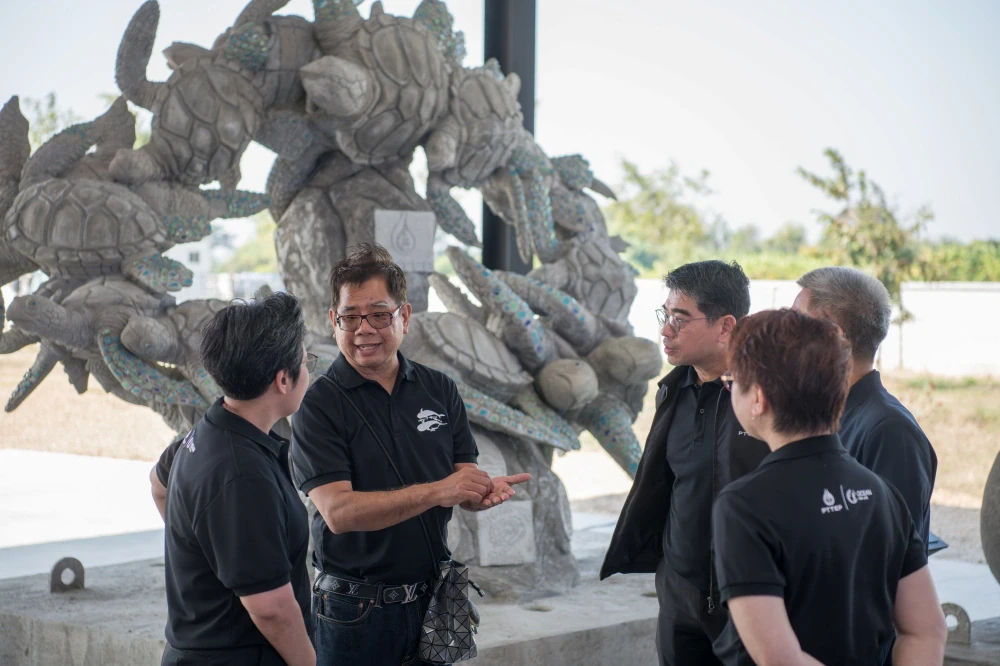
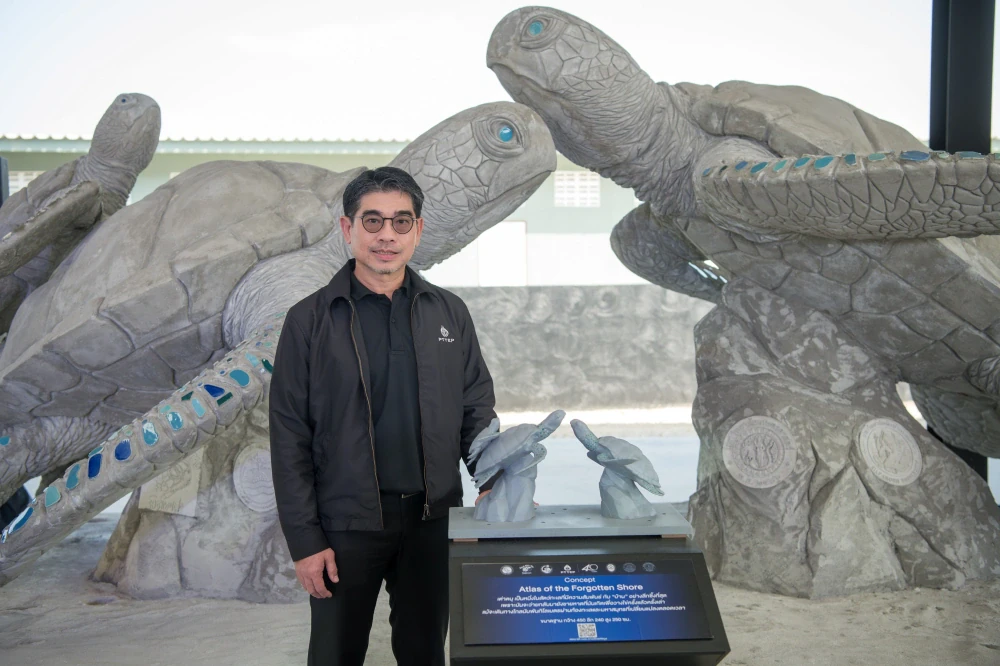
Mr. Chayong Borisuitsawat, Executive Vice President, Technology, Carbon Solutions, and Sustainable Growth Group at PTTEP, explained that most of PTTEP’s operations are located offshore. The company therefore has a strong connection with the ocean and recognizes the importance of marine ecosystems. This commitment has led PTTEP to initiate “Ocean for Life”, a long-term initiative that supports marine conservation and restoration through a range of projects, including the creation of artificial reefs in various forms.
PTTEP has initiated multiple artificial reef projects in the Gulf of Thailand. One of them is the Underwater Learning Site Project, developed in collaboration with the Royal Thai Navy, the Department of National Parks, Wildlife and Plant Conservation, the Department of Marine and Coastal Resources, the Faculty of Fisheries at Kasetsart University, and local communities. The project involved placing decommissioned naval vessels as artificial reefs in 2011 i.e. H.T.M.S. Prab located in Koh Ngam Noi, Chumphon Province, and H.T.M.S. Sattakut located in Koh Tao, Surat Thani Province. The project has demonstrated a significant increase in biodiversity. Surveys conducted during 2011–2013 identified 25 species of sessile organisms and 27 species of fish around H.T.M.S. Prab. The most recent survey in 2022–2023 showed an increase to 38 species of sessile organisms and 58 species of fish. The area has also become a popular diving destination for Thai and international divers, boosting tourism income for local communities.
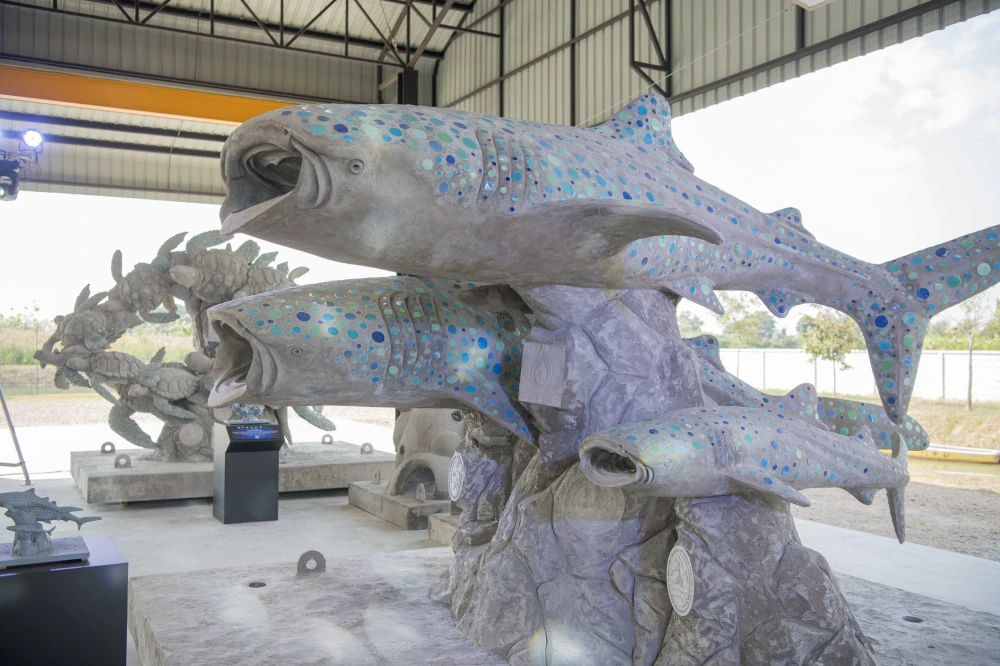
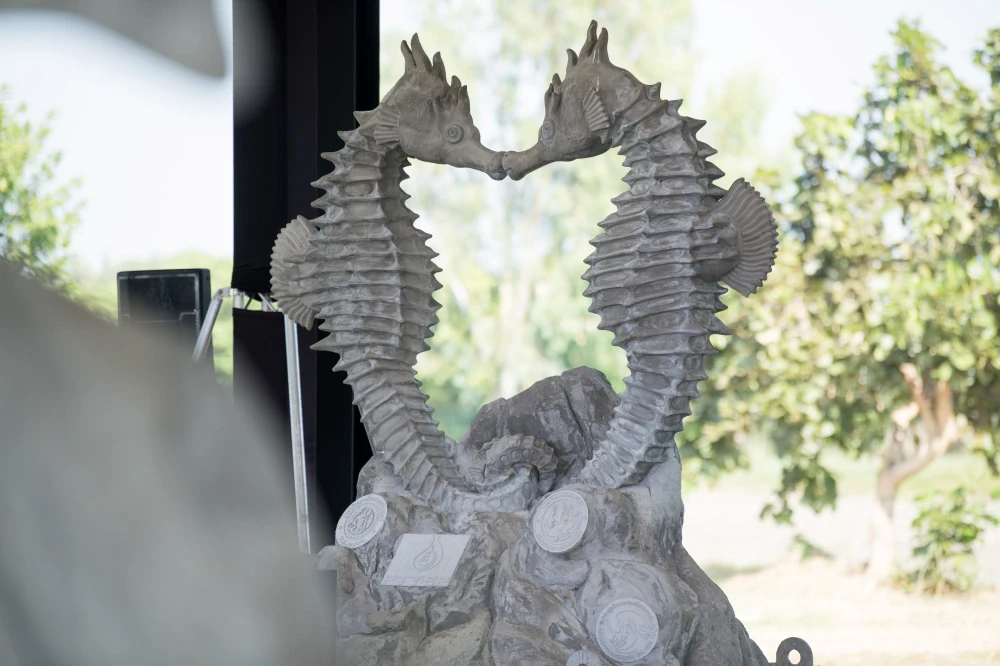
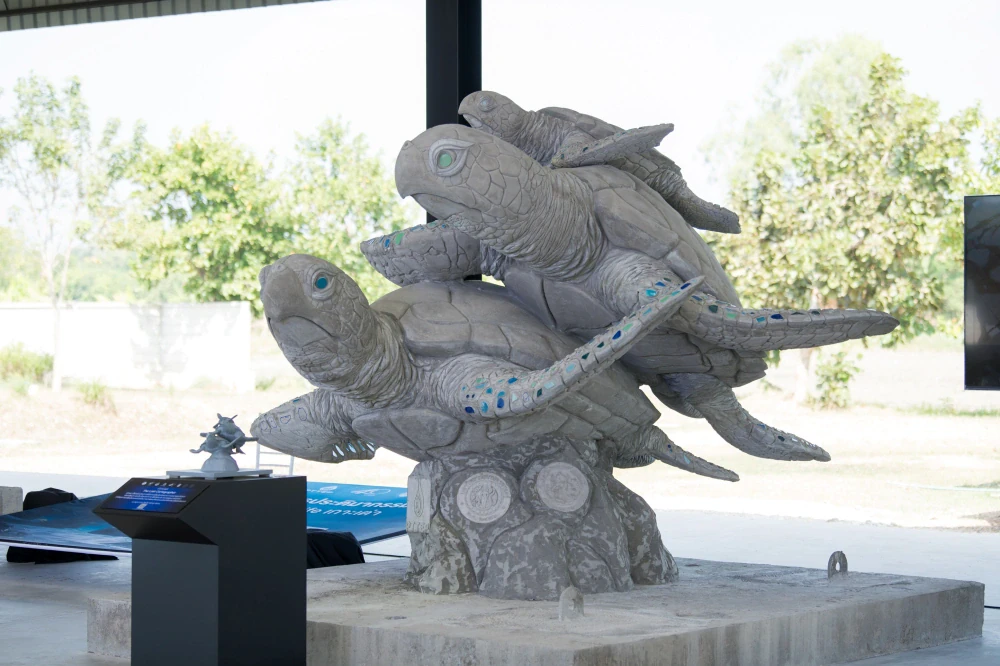
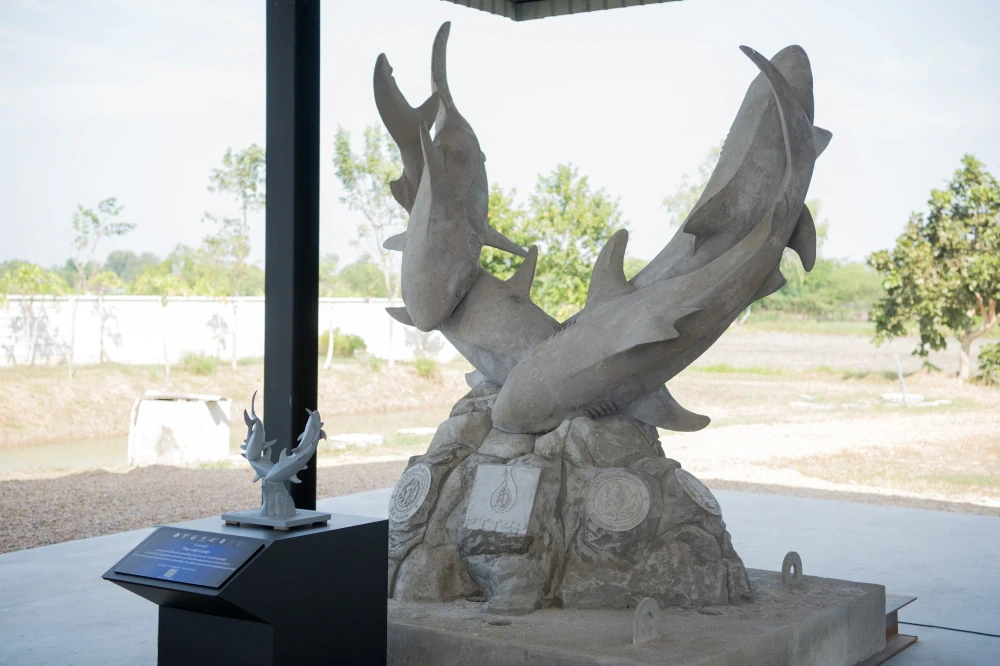
In addition, the Company plans to create marine habitats for fisheries by repurposing structures from petroleum production jackets offshore Pattani Province, with the structures scheduled to be installed in the second half of 2026. Building on these efforts, PTTEP has now introduced the Ocean for Life Underwater Sculpture Project, another initiative supporting the restoration of marine biodiversity in Thailand’s marine ecosystems. The project will create a new diving attraction that blends art with conservation through 9 underwater sculptures inspired by marine animals. These include the Green Turtle Twin, Turtle Family, Seahorse, Blue-Spotted Stingray, Whale Shark, Blacktip Reef Shark, Eagle Ray, Turtle Arch, and Guitarfish sculpture sets. Each sculpture stands approximately 2.5 meters tall. In addition to these sculptures, the site will also incorporate new Coral-balls artificial reefs and dome-shaped artificial reefs, bringing the total number of installations within this underwater sculpture park to 93 pieces.
All sculptures will be installed at Buoyancy World, a diving site near Koh Tao in Surat Thani Province, in April 2026. The site lies at a depth of 16 meters and covers an area of more than 10,000 square meters. Before installation, the project underwent over a year of study, including sculpture design, ocean current assessments, navigation safety for vessels, and the selection of environmentally friendly materials. No paint will be applied to the sculptures to ensure they remain safe for marine life and can naturally integrate into the surrounding ecosystem.
The success of ocean conservation initiatives requires collaboration across sectors. The project has been developed in partnership with government agencies responsible for marine conservation—such as the Department of Marine and Coastal Resources—as well as academic institutions, businesses, and local communities. One key partner supporting this mission is Assistant Professor Dr. Thon Thamrongnawasawat of the Faculty of Fisheries, Kasetsart University, who has served as an advisor to PTTEP on marine conservation, helping ensure that the underwater sculptures of marine animals represent a new approach that addresses both environmental and economic aspects of ocean conservation.
According to Dr. Thon, marine life responds quickly to new reef structures. Within just 3 hours after installation, small fish are expected to begin gathering around the sculptures. Within 24 to 48 hours, around 9–10 fish species will start inhabiting the area, increasing to 15–20 species within two weeks. Over time, small corals, sponges, and soft corals will begin to grow, gradually transforming the sculptures into thriving marine habitats. Within 6 months to 1 year, the site can help reduce diver pressure on natural coral reefs, allowing ecosystems time to recover, and serving as nursery grounds for marine species. The project also has the potential to attract more visitors to Koh Tao, boosting tourism and supporting the local economy. It represents an innovative integration of science and art, harmoniously blended with the underwater environment.
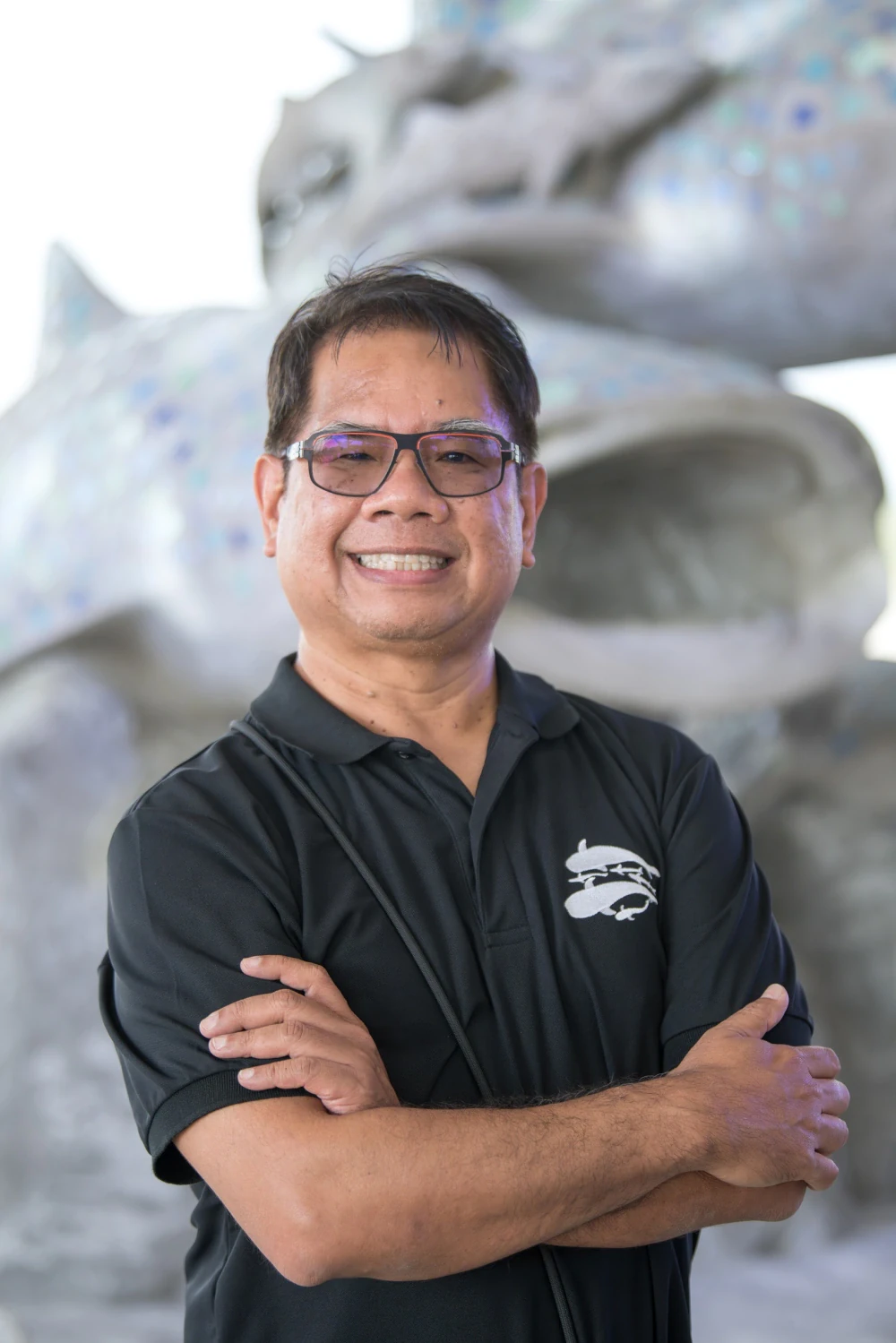
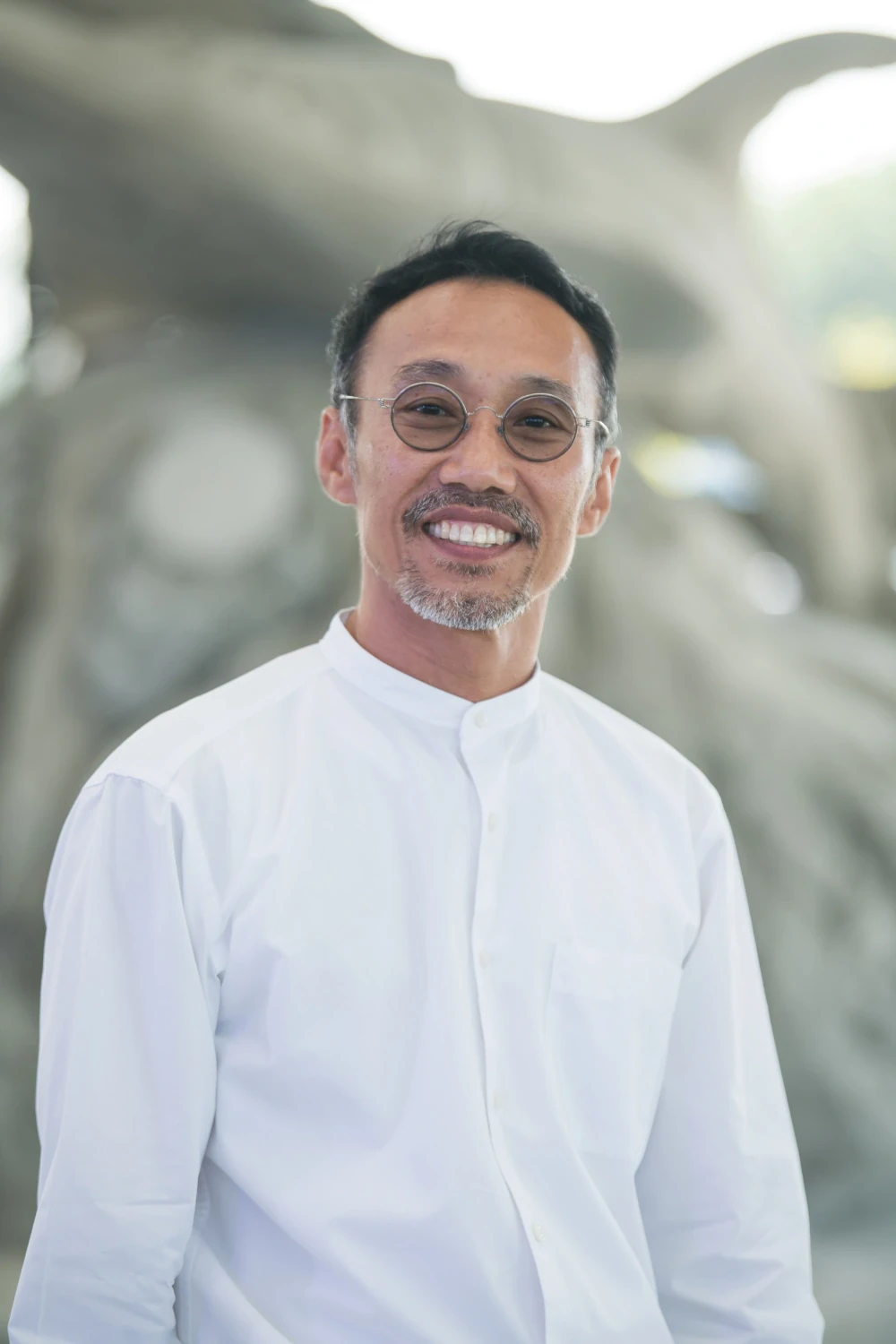
However, this “Ocean for Life” underwater sculpture initiative alone cannot deliver lasting benefits without strong involvement from the local community. Assistant Professor Mana Taiwattanakul, Head of the Sculpture Department, Faculty of Painting, Sculpture and Graphic Arts, Silpakorn University, who created the sculptures, had invited Koh Tao residents to take part in selecting sculpture designs from an early stage, ensuring the designs reflect marine animals that actually live in the area. Inspired by his first diving experience at Koh Tao, Professor Mana incorporated colorful ceramic elements into the sculptures to enhance their visual appeal. At the same time, careful attention was given to environmental considerations. The sculptures are constructed using low-carbon cement, which has lower carbon emissions while offering high durability and resistance to corrosion.
After installation, PTTEP and all involved parties will continue to monitor and study the site to evaluate how effectively it functions as a habitat for marine life and contributes to ecosystem recovery. The project will also assess its impact on tourism and local community income. The insights gained from this initiative will support future conservation efforts in other areas. Ultimately, the beauty and abundance of Thailand’s oceans are valuable natural assets that require collective care—so they can continue to thrive and be passed on to future generations.